
Your roof is one of the most important systems protecting your home. It shields your family from the elements, helps regulate indoor temperatures, and protects your property’s structural integrity. When a roofing problem appears, it can be tempting to grab a ladder, watch a few online tutorials, and attempt a repair yourself. After all, many homeowners enjoy tackling projects around the house and saving money whenever possible.
However, roofing is one area where do-it-yourself repairs often create more problems than they solve. What seems like a simple fix can quickly become a serious safety hazard, lead to expensive damage, or even shorten the lifespan of your roof. While some home maintenance tasks are perfect for DIY enthusiasts, roofing repairs require specialized knowledge, equipment, and experience.
At One Stop Roofing, we’ve seen countless situations where minor roofing issues became major problems because of well-intentioned DIY repairs. Understanding the risks involved can help homeowners make informed decisions and avoid unnecessary costs. Let’s explore the hidden dangers of DIY roofing repairs and why professional assistance is often the safest and most cost-effective choice.
Why DIY Roofing Repairs Appeal to Homeowners
The desire to save money
One of the biggest reasons homeowners attempt DIY roofing repairs is to avoid paying for professional labor. Roofing services can seem expensive at first glance, and many homeowners believe they can handle minor repairs themselves.
While the initial savings may appear attractive, mistakes often result in much higher repair costs later.
Online tutorials create false confidence
The internet is full of videos showing seemingly simple roofing repairs. While these tutorials can be educational, they rarely account for the unique conditions, materials, and challenges of individual roofs.
What looks easy on a screen can be far more complicated in real-world situations.
Small problems often appear manageable
A missing shingle, loose flashing, or minor leak may not seem like a major concern. Unfortunately, roofing systems are complex, and even small issues can have underlying causes that aren’t immediately visible.
The Serious Risk of Falls and Injuries
Roofing is one of the most dangerous home repair activities
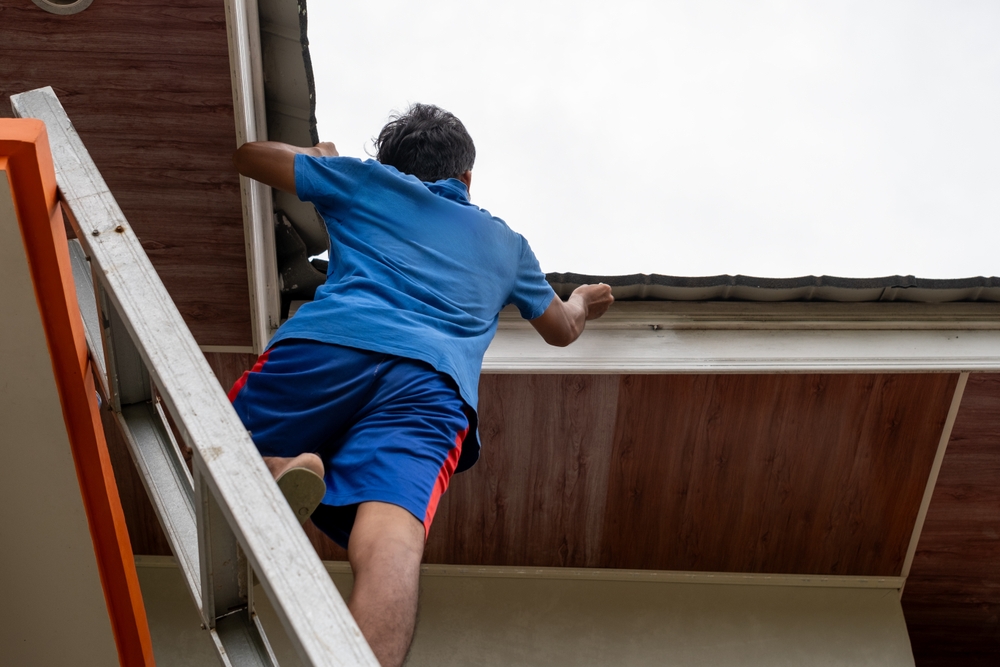
Every year, thousands of homeowners are injured while working on roofs. Even single-story homes present significant fall hazards.
Sloped surfaces, loose materials, and unexpected changes in footing can quickly lead to accidents.
Weather conditions increase risk
Even a slightly damp roof can become extremely slippery. Morning dew, recent rain, dust, or loose debris can create dangerous conditions.
Professional roofers receive training on how to safely navigate these environments and use specialized equipment to reduce risk.
Ladder accidents are common
Many roofing injuries occur before a homeowner even reaches the roof. Improper ladder placement, unstable ground, or incorrect climbing techniques can result in serious falls.
Professional contractors follow strict ladder safety protocols that many homeowners may not know.
Hidden Damage Often Goes Unnoticed
The visible problem may not be the real problem
A water stain on the ceiling might suggest a simple leak, but the actual source could be several feet away from where the water appears inside the home.
Without proper training, homeowners often repair the symptom rather than the cause.
Roof systems work together
Your roof consists of multiple components, including:
- Shingles or tiles
- Underlayment
- Flashing
- Ventilation systems
- Roof decking
- Gutters
Damage to one area often affects other parts of the system.
Professional inspections reveal underlying issues
Experienced roofers know how to identify hidden moisture damage, deteriorated flashing, structural concerns, and ventilation problems that may not be visible during a basic inspection.
Incorrect Repairs Can Cause Bigger Problems
Improper installation techniques
Roofing materials must be installed according to the manufacturer’s specifications. Incorrect placement of shingles, flashing, or sealants can create vulnerabilities that allow water intrusion.
Even small installation errors can compromise the roof’s performance.
Using the wrong materials
Not all roofing products are interchangeable. Different roof types require specific materials designed for their unique conditions.
Using incompatible products can lead to premature failure and void manufacturer warranties.
Overusing roofing cement and sealants
Many DIY repairs rely heavily on roofing cement because it appears to provide a quick fix. While sealants have their place, excessive use often masks problems rather than solving them.
DIY Repairs Can Void Warranties
Manufacturer warranties have requirements
Many roofing materials come with warranties that require proper installation and maintenance.
Unauthorized repairs or modifications may void warranty coverage.
Workmanship warranties may be affected
If a professional contractor previously installed a roof, DIY modifications can sometimes impact workmanship guarantees.
This means homeowners could lose valuable protection they already have.
Water Damage Can Escalate Quickly
Small leaks spread rapidly
Water rarely stays where it first enters. It can travel through insulation, wood framing, drywall, and electrical systems before becoming visible.
A small mistake during a DIY repair may allow moisture to continue entering the home undetected.
Mold growth becomes a concern
Moisture trapped within walls, attics, or ceilings creates ideal conditions for mold growth.
Mold remediation can become far more expensive than the original roof repair.
Structural deterioration may occur
Prolonged water exposure weakens wood framing, roof decking, and support structures.
Addressing structural damage often costs significantly more than repairing the original roofing issue.
Roofing Materials Are Easier to Damage Than You Think
Walking on roofing materials improperly
Different roofing materials require different handling techniques. Improper foot traffic can crack tiles, loosen shingles, or damage protective coatings.
Many homeowners unintentionally create additional damage while attempting repairs.
Heat affects roofing materials
During warm weather, roofing materials can become softer and more susceptible to damage.
Without proper knowledge, homeowners may inadvertently shorten their roof’s lifespan while trying to fix it.
Ventilation Problems Are Often Overlooked
Roof performance depends on airflow
Many roofing issues stem from poor attic ventilation rather than exterior damage.
Proper ventilation helps regulate temperature, control moisture, and extend material lifespan.
DIY repairs may ignore the root cause
A homeowner might replace damaged shingles without realizing that inadequate ventilation caused the deterioration in the first place.
Without addressing the underlying issue, problems are likely to return.
Insurance Complications Can Arise
Improper repairs may affect claims
If future storm damage occurs, insurance companies may examine previous repairs.
Poor workmanship or unauthorized modifications could complicate claim approvals.
Documentation matters
Professional roofing companies provide detailed records, inspections, and invoices that can be valuable during insurance claims.
DIY repairs rarely provide the same level of documentation.
The Cost of Mistakes Often Exceeds Professional Repairs
What starts as a money-saving project can become expensive
Many homeowners begin DIY roofing repairs hoping to reduce costs.
Unfortunately, correcting mistakes often requires:
- Additional materials
- Professional repair services
- Interior damage restoration
- Mold remediation
- Structural repairs
The final cost frequently exceeds the cost of the original professional repair.
Emergency repairs cost more
A failed DIY repair may allow damage to worsen until emergency service is required.
Emergency roofing work is often more expensive than scheduled maintenance.
When Homeowners Can Safely Help
Visual inspections from the ground
Homeowners can safely monitor their roofs by looking for:
- Missing shingles
- Sagging areas
- Debris buildup
- Visible damage after storms
Binoculars or smartphone zoom functions can help without climbing onto the roof.
Gutter maintenance
Cleaning gutters from a properly positioned ladder may be appropriate for some homeowners, provided safety precautions are followed.
Scheduling regular inspections
One of the best ways homeowners can protect their roof is by scheduling professional inspections and addressing minor concerns early.
The Benefits of Hiring a Professional Roofing Contractor
Expert diagnosis
Professionals identify both visible and hidden problems.
Proper safety equipment
Roofers use harnesses, anchors, and other protective equipment designed specifically for roofing work.
Quality workmanship
Professional repairs follow manufacturer specifications and industry best practices.
Warranty protection
Many professional repairs include workmanship guarantees and preserve manufacturer warranty coverage.
Long-term value
Professional repairs often last longer and perform better, reducing future maintenance costs.
Signs It’s Time to Call a Professional
Contact a roofing professional if you notice:
- Active leaks
- Missing shingles or tiles
- Sagging roof sections
- Water stains on ceilings
- Damaged flashing
- Mold growth
- Storm-related damage
- Recurring roofing problems
Prompt professional attention helps prevent small issues from becoming major repairs.
Final Thoughts On DIY Roof Repairs
While DIY projects can be rewarding, roofing repairs are rarely the place to take unnecessary risks. From safety hazards and hidden damage to warranty issues and costly mistakes, the hidden dangers of DIY roofing repairs often outweigh the potential savings. Protecting your roof means protecting your entire home. When problems arise, partnering with an experienced roofing professional ensures repairs are completed safely, correctly, and efficiently.
At One Stop Roofing, we provide expert inspections, repairs, and maintenance services designed to keep your roof performing at its best for years to come. Call (714) 277-4555 or visit our website to schedule your roofing consultation today!
Frequently Asked Questions
- Are any roofing repairs safe for homeowners to perform themselves?
Basic visual inspections and minor gutter maintenance may be appropriate for some homeowners, but most roofing repairs are best left to trained professionals. - Can DIY roofing repairs void my roof warranty?
Yes. Some manufacturer and workmanship warranties may be voided by unauthorized repairs or improper installation. - How can I tell if a roofing problem requires professional attention?
If you notice leaks, missing materials, sagging areas, or storm damage, it’s best to schedule a professional inspection as soon as possible.
