As more homeowners look for ways to reduce their environmental impact, sustainability is becoming an important consideration in nearly every part of home design. Energy-efficient appliances, solar panels, water-saving fixtures, and improved insulation are common upgrades, but one major part of the home is sometimes overlooked: the roof.
Your roofing system can influence energy consumption, indoor comfort, material waste, and even how much heat your property absorbs. Choosing the right roofing material can therefore make a meaningful difference in your home’s overall efficiency and environmental impact.
Fortunately, today’s homeowners have several green roofing options to consider. From cool roofs that reflect sunlight to recycled shingles and long-lasting metal roofing, sustainable roofing doesn’t necessarily mean sacrificing durability, appearance, or performance. For homeowners in Southern California, where sunshine and warm temperatures are major considerations, certain eco-friendly roofing choices can be especially beneficial.
At One Stop Roofing, we understand that every home has different needs. Exploring the advantages and limitations of sustainable roofing materials can help you choose an option that protects your home while supporting your environmental and energy-efficiency goals.
What Makes a Roof Eco-Friendly?
Sustainability involves more than the material itself.
When evaluating green roofing options, homeowners should consider the entire life cycle of a roofing system. A material made with recycled content may sound environmentally friendly, but durability, energy performance, maintenance requirements, and eventual disposal are also important.
An eco-friendly roofing system may offer benefits such as:
- Recycled or recyclable materials
- A long service life
- Reduced heat absorption
- Improved home energy efficiency
- Less material sent to landfills
- Sustainable manufacturing practices
- Compatibility with solar energy systems
The best choice depends on your home’s structure, budget, architectural style, and local climate.
Cool Roofing Systems
Reflecting sunlight can help keep homes cooler.
Cool roofing is particularly relevant in warm, sunny climates. Traditional dark roofing materials absorb a significant amount of solar energy, which can raise roof temperatures and allow more heat to enter the home.
Cool roofs are designed to reflect more sunlight and absorb less heat than conventional roofing materials. They may use reflective shingles, tiles, coatings, or membranes to accomplish this.
Lower roof temperatures can reduce the heat transferred into the attic and living spaces. This may decrease the demand placed on air-conditioning systems during hot weather.
Cool roofing can also help reduce the urban heat island effect, in which buildings, roads, and other surfaces absorb and retain heat.
For Southern California homeowners interested in energy efficiency, cool roofing is one of the most practical sustainable options to consider.
Metal Roofing
Durability can be a key part of sustainability.
Metal roofing has become increasingly popular among environmentally conscious homeowners because of its longevity and recyclability.
A properly installed metal roof can last significantly longer than many conventional roofing systems. Because homeowners may need fewer roof replacements over the life of the property, they consume and discard fewer materials.
Many metal roofing products also contain recycled material and can be recycled again at the end of their useful lives.
Another benefit is solar reflectivity. Certain metal roofing finishes reflect a considerable amount of solar radiation, helping reduce heat absorption.
Metal roofs come in many colors and styles, including products designed to resemble traditional shingles or tiles. The primary disadvantage is the higher initial cost, although the long lifespan can make metal an appealing long-term investment.
Recycled Shingles
Old materials can find a new purpose overhead.
Recycled roofing products offer another way to reduce the environmental impact associated with home construction.
Depending on the manufacturer, recycled shingles may incorporate materials such as rubber, plastic, or reclaimed roofing products. Some are designed to resemble traditional slate or wood while providing modern durability.
Using recycled materials reduces demand for newly manufactured raw materials and gives existing products another useful life instead of sending them directly to landfills.
Homeowners considering recycled shingles should research individual products carefully. Durability, warranties, fire ratings, and performance can vary, so professional guidance is valuable when comparing options.
Clay and Concrete Tile
Tile’s long service life makes it worth considering.
Clay and concrete tiles are common sights throughout Southern California, and their popularity isn’t purely aesthetic.
Tile roofing can offer an exceptionally long lifespan when installed and maintained correctly. A longer-lasting roof generally means fewer complete replacements and less roofing waste over time.
Clay is made from natural materials, while some concrete roofing products may incorporate recycled content. Tile can also provide useful thermal properties that help limit heat transfer into the home.
However, tile roofing is heavy. Not every home’s structure can support the additional weight without reinforcement. A professional evaluation is therefore essential before switching from a lightweight roofing material to clay or concrete tile.
Sustainable Asphalt Shingles
Traditional roofing can become more environmentally conscious.
Asphalt shingles remain one of the most widely used residential roofing materials because they’re affordable, versatile, and relatively easy to repair.
Although asphalt isn’t usually the first material associated with sustainable construction, homeowners can make greener choices within this category.
Some manufacturers offer shingles with reflective granules designed to reduce solar heat absorption. Certain recycling programs can also repurpose old asphalt shingles for applications such as pavement rather than sending them directly to landfills.
Homeowners who prefer the affordability and appearance of shingles can ask their roofing contractor about reflective products and responsible disposal options.
Solar Roofing
Your roof can help produce energy as well as protect your home.
Solar technology offers one of the most recognizable ways to make a home more environmentally friendly.
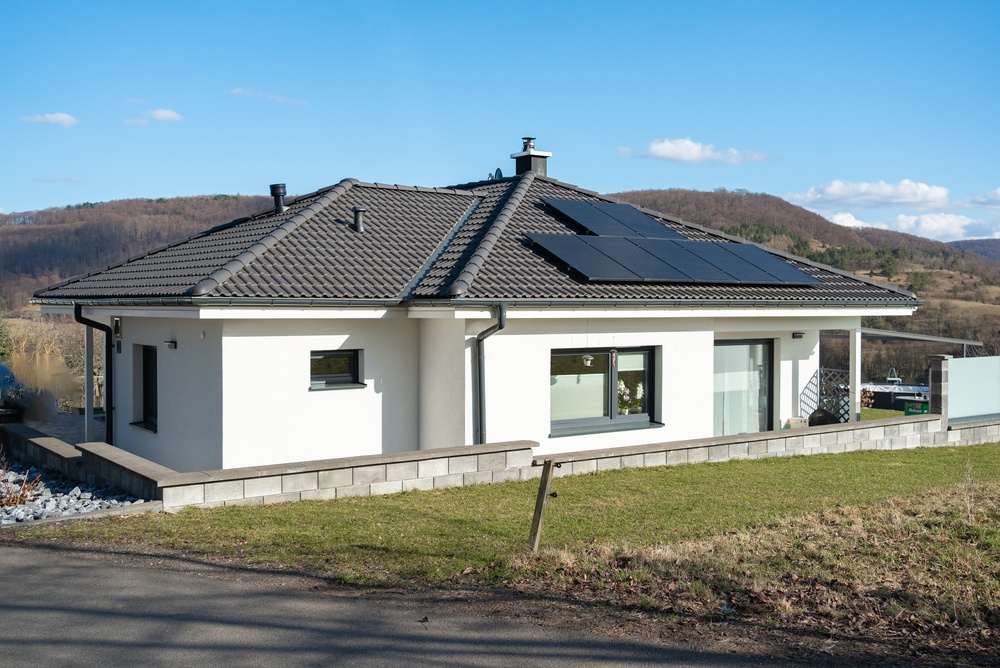
Traditional photovoltaic panels can be installed over compatible roofing systems, while newer solar roofing products integrate energy-producing technology more directly into the roof.
Solar energy can reduce a household’s reliance on electricity generated from conventional sources and may lower energy costs over time.
However, homeowners should consider the condition of the existing roof before installing solar panels. Installing a solar system over a roof that will need replacement soon can add labor and expense later.
If solar installation is part of your plans, discuss it with your roofing contractor during a roof replacement to ensure the new system is suitable for solar equipment.
Living or Vegetative Roofs
Green roofs take the term literally.
A living roof incorporates vegetation into a specially engineered rooftop system. These roofs typically include waterproofing, drainage, growing medium, and selected plants.
Living roofs can offer impressive environmental benefits. Vegetation can help manage stormwater, provide insulation, reduce surface temperatures, and create habitat for insects and birds.
However, residential living roofs are considerably more complex than conventional roofing systems.
They require appropriate structural support, carefully designed waterproofing, drainage, and ongoing maintenance. You must also consider the weight of soil, vegetation, and retained water.
For that reason, living roofs aren’t practical for every home. Homeowners interested in this option should work with professionals experienced in structural and waterproofing requirements.
Why Roof Color Matters
Sometimes sustainability starts with a simple design decision.
Roof color can significantly influence how much solar energy a roof absorbs.
Darker surfaces generally absorb more heat, while lighter and specially engineered reflective materials can reduce heat absorption.
That doesn’t mean every eco-friendly home needs a bright white roof. Modern manufacturers offer reflective roofing materials in a variety of attractive colors.
When comparing green roofing options, homeowners should consider both the material and its solar-reflective properties.
Proper Ventilation Supports an Eco-Friendly Roof
The roofing material is only part of the system.
Even an energy-efficient roofing product may underperform if the attic isn’t properly ventilated.
Balanced attic ventilation helps remove excess heat and moisture. During hot weather, this can reduce heat buildup beneath the roof and support a more comfortable indoor environment.
Ventilation also helps protect roofing materials from premature deterioration caused by excessive heat or moisture.
When upgrading your roof, have the ventilation system evaluated at the same time. Sustainable roofing works best when the entire system functions efficiently.
Insulation Makes a Difference Too
Keep conditioned air where it belongs.
Roofing, ventilation, and insulation work together.
Adequate attic insulation helps reduce heat transfer between the attic and the home’s living spaces. During warm weather, it helps prevent attic heat from entering the home, while during cooler periods, it helps retain indoor warmth.
Improving insulation alongside a roofing project can boost overall energy efficiency.
Consider the Lifespan of Your Roofing Material
The greenest option isn’t always the one with the greenest label.
Longevity is an important but sometimes overlooked part of sustainable roofing.
A roof that requires frequent replacement consumes additional raw materials, manufacturing energy, transportation, and labor. Old materials must then be recycled or discarded.
A durable roofing system that lasts for decades can reduce this cycle considerably.
When comparing materials, consider the expected service life alongside upfront cost, recyclability, and energy performance.
Maintenance Helps Make Any Roof More Sustainable
Taking care of what you already have matters.
You don’t necessarily need to replace a functioning roof to make a more environmentally responsible choice.
Proper maintenance can extend your roof’s lifespan and prevent unnecessary waste.
Regular maintenance should include:
- Professional roof inspections
- Gutter and drainage cleaning
- Prompt leak repairs
- Debris removal
- Flashing inspections
- Attic ventilation checks
Addressing minor problems early can add years to a roofing system and delay the environmental and financial costs of replacement.
Choosing the Right Green Roof for Your Home
No single solution works for everyone.
The right roofing material depends on several factors, including your home’s construction, budget, appearance, energy goals, and expected ownership length.
Southern California homeowners should also consider intense sun exposure, seasonal rain, wildfire risks, and local building requirements.
Before choosing a material based solely on its environmental claims, compare its complete performance. Ask about lifespan, energy efficiency, maintenance, fire resistance, recyclability, warranties, and compatibility with your home’s structure.
A professional roofing contractor can help you weigh these factors and determine which options make the most sense for your property.
Final Thoughts on Eco-Friendly Roofing
Choosing among today’s green roofing options allows homeowners to protect their homes while considering energy use, waste, and long-term environmental impact. Cool roofs can help reduce heat absorption, metal and tile systems offer impressive longevity, recycled products give existing materials new life, and solar roofing can turn unused roof space into a source of renewable energy.
However, sustainable roofing isn’t limited to installing a particular material. Proper ventilation, adequate insulation, routine maintenance, and professional installation all contribute to a roof’s overall efficiency and lifespan.
At One Stop Roofing, we can help you evaluate roofing materials based on your home’s unique needs, your budget, and your long-term goals. Whether you’re planning a complete roof replacement or simply want to improve the performance of your existing system, choosing the right approach can protect both your home and your investment for years to come.
Call (714) 277-4555 or visit One Stop Roofing to learn more about roofing options for your home or schedule a consultation.
Frequently Asked Questions
- What is the most eco-friendly roofing material?
No single roofing material is best for every home. Metal, tile, cool roofing products, recycled shingles, and solar roofing can all offer environmental advantages. The best choice depends on factors such as your climate, home’s structure, budget, energy goals, and how long the material is expected to last. - Can I make my existing roof more environmentally friendly without replacing it?
Yes. Regular maintenance, improved attic ventilation, adequate insulation, prompt repairs, and clear gutters and drainage systems can improve performance and extend the lifespan of an existing roof. Depending on the roofing material, reflective coatings may also be an option. - Are green roofing options more expensive than traditional roofing?
Some sustainable roofing materials have higher upfront costs, particularly metal, tile, solar, and living roof systems. However, longevity, reduced energy consumption, recyclability, and fewer replacements may offset some of those costs over time. Compare both initial expenses and long-term performance.