
Excess humidity inside your home can do more than make the air feel sticky and uncomfortable. Over time, excessive moisture can contribute to mold growth, damage building materials, reduce indoor air quality, and even shorten your roof’s lifespan. While many homeowners think of humidity as a summertime inconvenience, maintaining healthy indoor moisture levels is important year-round.
The good news is that reducing humidity doesn’t always require expensive renovations. Many simple maintenance habits and home improvements can make a noticeable difference. From improving ventilation to addressing roof leaks and increasing airflow, there are numerous ways to create a healthier, more comfortable living environment.
At One Stop Roofing, we understand that your roof is a major part of your home’s moisture management system. A properly maintained roof, combined with good ventilation and routine home maintenance, can help keep excess moisture under control. This guide explores the best ways to reduce humidity in your home while protecting your investment for years to come.
Why High Humidity Is a Problem
Excess moisture affects more than comfort.
High humidity makes your home feel warmer than it actually is because moisture in the air slows the evaporation of sweat from your skin. As a result, your air conditioner has to work harder to maintain a comfortable temperature.
Beyond comfort, excess humidity creates ideal conditions for mold, mildew, bacteria, and dust mites to thrive.
Humidity can damage your home.
Over time, excessive moisture can affect many parts of your home, including:
- Wood flooring
- Cabinets
- Drywall
- Paint
- Window frames
- Furniture
- Insulation
- Roofing materials
Keeping humidity under control helps preserve these materials and prevents costly repairs.
Know the Ideal Indoor Humidity Level
Aim for balanced moisture.
Most experts recommend maintaining indoor humidity between 30% and 50%. This range is comfortable for occupants while discouraging mold growth and protecting building materials.
If humidity regularly rises above 60%, it’s time to identify the source and take corrective action.
A simple digital hygrometer can help you monitor humidity throughout your home.
Improve Attic Ventilation
Your attic plays a major role in moisture control.
One of the best ways to reduce humidity is by ensuring your attic has proper ventilation.
Warm, moist air naturally rises. Without adequate ventilation, that moisture becomes trapped in the attic, where it can condense on framing, insulation, and roof decking.
Over time, this may lead to:
- Mold growth
- Wood rot
- Damaged insulation
- Premature roof deterioration
Balanced ventilation works best.
Proper attic ventilation typically includes both intake vents (such as soffit vents) and exhaust vents (such as ridge vents). Together, they create continuous airflow that removes excess heat and moisture.
Professional roof inspections can determine whether your current ventilation system is performing efficiently.
Repair Roof Leaks Promptly
Small leaks create major moisture problems.
Even a tiny roof leak can introduce surprising amounts of moisture into your home.
Water may travel along rafters or insulation before becoming visible inside, allowing hidden moisture damage to develop for weeks or months.
Prompt repairs help reduce humidity while preventing structural damage.
Watch for warning signs.
Common indicators of roof leaks include:
- Ceiling stains
- Peeling paint
- Musty odors
- Damp insulation
- Mold in the attic
Addressing these issues early helps keep indoor humidity under control.
Use Bathroom Exhaust Fans
Bathrooms generate significant moisture.
Hot showers release large amounts of steam into the air. Without proper ventilation, that moisture spreads throughout the house.
Run your bathroom exhaust fan during showers and for at least 20 minutes afterward.
If your bathroom lacks an exhaust fan, consider having one installed.
Ventilate the Kitchen
Cooking adds moisture to indoor air.
Boiling water, simmering soups, and using the dishwasher all release humidity.
Using your range hood while cooking helps remove warm, moist air before it circulates through the home.
Whenever the weather allows, opening nearby windows can further improve airflow.
Consider a Whole-Home Dehumidifier
Extra moisture sometimes requires extra help.
If your home consistently experiences high humidity despite good ventilation, a whole-home dehumidifier may be beneficial.
These systems work alongside your HVAC equipment to remove excess moisture throughout the house.
Unlike portable units, they provide balanced humidity control for the entire home.
Improve Air Circulation
Moving air helps moisture evaporate.
Good airflow is another effective way to reduce humidity.
Simple strategies include:
- Running ceiling fans
- Keeping interior doors open
- Rearranging furniture away from vents
- Changing HVAC filters regularly
Improved circulation helps prevent moisture from lingering in enclosed spaces.
Clean and Maintain Gutters
Drainage affects indoor moisture.
Clogged gutters don’t just threaten your roof—they also contribute to moisture problems around your home.
Overflowing gutters can allow water to collect near the foundation, eventually increasing indoor humidity levels.
Regular gutter cleaning keeps water moving safely away from your house.
Seal Air Leaks
Outdoor moisture can enter your home.
Small gaps around windows, doors, plumbing penetrations, and attic access points allow humid outdoor air inside.
Weatherstripping and caulking these openings helps maintain more stable indoor humidity.
It also improves energy efficiency throughout the year.
Check Your Crawl Space or Basement
Moisture often starts below the home.
If your home has a crawl space or basement, inspect it regularly for standing water or damp conditions.
Installing vapor barriers, improving drainage, or using a dehumidifier can help prevent moisture from moving upward into the rest of the home.
Maintain Your HVAC System
Your air conditioner removes moisture.
Many homeowners don’t realize that air conditioners naturally help reduce humidity while cooling the home.
To maximize performance:
- Replace filters regularly.
- Schedule annual maintenance.
- Keep supply and return vents unobstructed.
A well-maintained HVAC system performs more efficiently and controls humidity more effectively.
Avoid Drying Clothes Indoors
Wet laundry releases surprising amounts of moisture.
Whenever possible, dry clothing in a properly vented dryer or outdoors.
Air-drying large loads inside can significantly increase indoor humidity.
If indoor drying is necessary, ensure the room is well ventilated.
Choose Moisture-Resistant Materials
Some materials perform better in humid environments.
When remodeling kitchens, bathrooms, or laundry rooms, consider:
- Mold-resistant drywall
- Waterproof flooring
- Moisture-resistant paint
- Composite trim materials
These products help protect your home if humidity temporarily increases.
Schedule Regular Roof Inspections
Prevention is always less expensive.
One of the best ways to reduce humidity is by preventing moisture from entering the home in the first place.
Professional roof inspections identify:
- Loose flashing
- Damaged shingles
- Ventilation issues
- Small leaks
- Worn sealants
Addressing these concerns early helps protect both your roof and your indoor environment.
Signs Your Home Has Excess Humidity
Don’t ignore these warning signs.
High humidity often reveals itself through subtle changes around the house.
Common signs include:
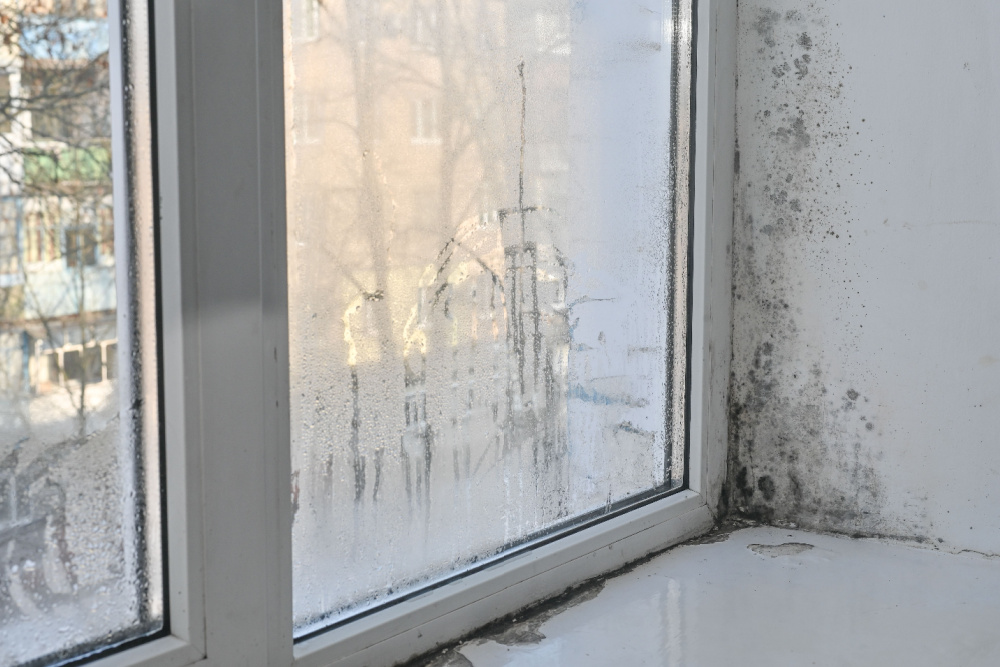
- Condensation on windows
- Musty odors
- Mold or mildew growth
- Peeling paint
- Warped wood
- Damp insulation
- Increased allergy symptoms
- Persistent stuffiness
Recognizing these signs early makes it easier to solve moisture problems before significant damage occurs.
The Long-Term Benefits of Reducing Humidity
It will protect your roof.
Excess attic moisture can shorten the lifespan of roofing materials. Proper ventilation and prompt repairs help preserve your roof for years to come.
It will improve your indoor air quality.
Lower humidity discourages mold, mildew, and dust mites, creating a healthier living environment.
It will increase energy efficiency.
Dry air feels cooler than humid air, allowing your air conditioner to operate more efficiently.
It will protect your investment.
Keeping moisture under control helps preserve flooring, cabinetry, insulation, drywall, and structural framing.
Final Thoughts
Learning the best ways to reduce humidity in your home benefits far more than your comfort. Proper moisture control protects your roof, improves indoor air quality, reduces energy costs, and helps prevent expensive structural damage.
Many humidity problems stem from overlooked maintenance issues, such as poor attic ventilation, clogged gutters, or small roof leaks. By addressing these concerns early and maintaining your home’s roofing system, you can create a healthier, safer, and more efficient living environment.
At One Stop Roofing, we’re committed to helping homeowners protect their homes from the top down. Whether you need a roof inspection, improved attic ventilation, or professional roofing repairs, our experienced team is here to help.
Call (714) 277-4555 or visit our website to schedule your roofing consultation today.
Frequently Asked Questions
- What humidity level should I keep inside my home?
Most homes are most comfortable and healthiest when indoor humidity stays between 30% and 50%. - Can my roof actually affect the humidity inside my home?
Yes. Roof leaks, poor attic ventilation, and damaged roofing materials can all allow moisture to accumulate, increasing indoor humidity levels. - How often should attic ventilation and my roof be inspected?
It’s a good idea to schedule a professional roof inspection at least once a year and after major storms to ensure your roofing system and ventilation are functioning properly.
