
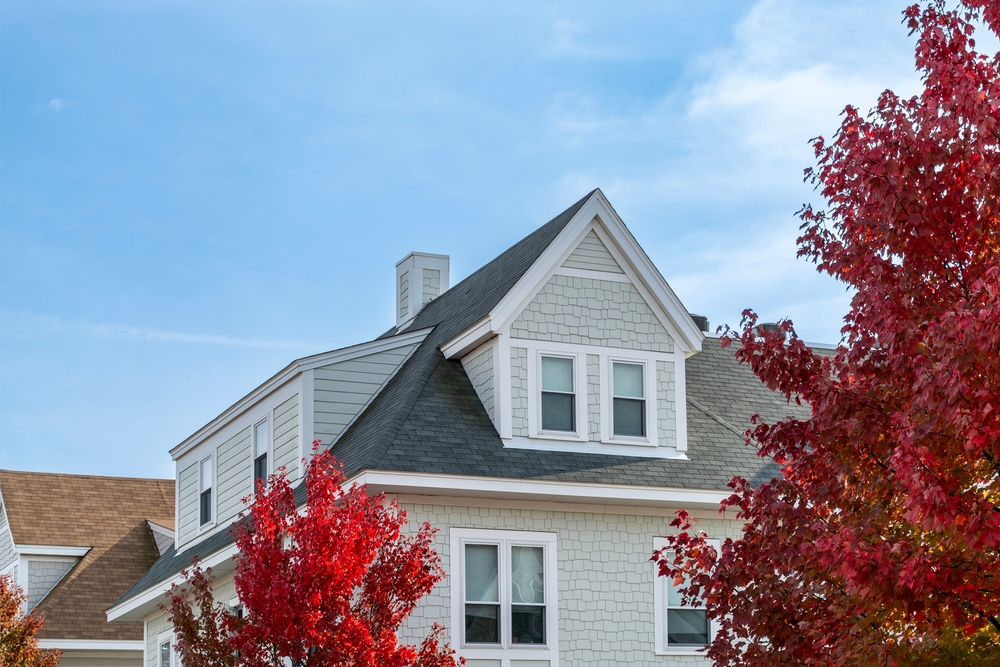
When it comes to choosing a roofing material, homeowners have more options than ever before. Metal roofing, clay tile, slate, wood shakes, and synthetic materials all offer unique benefits. Still, one roofing system continues to stand out as the most popular choice across the United States: asphalt shingle roofing.
There is a good reason why asphalt shingles protect millions of homes. They offer an excellent balance of affordability, durability, versatility, and curb appeal. Modern asphalt shingles are available in a wide range of colors and styles, making it easy for homeowners to find an option that complements their home’s architectural design while staying within their budget.
However, like every roofing material, asphalt shingles aren’t perfect. They have limitations that homeowners should understand before making a long-term investment. Factors such as climate, maintenance, expected lifespan, and future repair costs all play an important role in determining whether asphalt shingle roofing is the right fit.
At One Stop Roofing, we believe every homeowner should have the information needed to make a confident roofing decision. In this guide, we’ll take an honest look at the advantages and disadvantages of asphalt shingle roofing, helping you understand where it excels and where another roofing material may be a better choice.
Why Asphalt Shingles Are So Popular
A roofing material trusted by millions of homeowners
One of the biggest reasons homeowners choose asphalt shingle roofing is its reputation for reliability. Asphalt shingles have been used for decades and continue to evolve with improved manufacturing techniques, stronger materials, and enhanced weather resistance.
Unlike some specialty roofing materials that require extensive structural modifications or highly specialized installation, asphalt shingles can be installed on most residential homes without significant alterations.
Their widespread popularity also means qualified roofing contractors are familiar with proper installation techniques, making repairs and replacements easier throughout the life of the roof.
Available in a variety of styles
Many people picture traditional three-tab shingles when they think of asphalt roofing, but today’s products offer far more variety.
Homeowners can choose from:
- Three-tab shingles
- Architectural shingles
- Premium designer shingles
- Impact-resistant shingles
- Algae-resistant shingles
Some premium asphalt shingles are even designed to mimic the appearance of slate or wood shake roofing while remaining much more affordable.
Pro: Affordable Installation Costs
One of the most budget-friendly roofing options available
Perhaps the greatest advantage of asphalt shingle roofing is its affordability.
Compared to materials like slate, clay tile, or metal roofing, asphalt shingles generally have a lower upfront installation cost. This makes them an attractive option for first-time homeowners, growing families, and anyone looking to replace an aging roof without exceeding their budget.
Because the materials are widely available and installation is relatively straightforward for experienced roofing professionals, labor costs also tend to be lower than those associated with more specialized roofing systems.
For many homeowners, asphalt shingles provide the ideal balance between performance and cost.
Pro: Attractive Curb Appeal
A style for nearly every home
Modern asphalt shingles have come a long way from the limited color selections of decades past.
Today’s manufacturers offer shingles in colors such as:
- Charcoal
- Weathered wood
- Slate gray
- Driftwood
- Brown blends
- Black
- Deep blue-gray
- Earth tones
Architectural shingles add depth and dimension to the roof, giving homes a more upscale appearance without dramatically increasing the project cost.
Whether your home has a traditional, modern, ranch, craftsman, or colonial design, there’s likely an asphalt shingle style that complements it beautifully.
Pro: Easier Repairs
Individual shingles can often be replaced
One overlooked benefit of asphalt shingle roofing is how repairable it can be.
If a few shingles become damaged during a windstorm or are affected by falling debris, a professional roofer can often replace only the damaged section rather than replacing the entire roof.
This flexibility helps reduce repair costs and minimizes disruption for homeowners.
Of course, matching older shingles can become more challenging as the roof ages and colors naturally fade, but localized repairs are generally much simpler than with many other roofing materials.
Pro: Faster Installation
Less disruption to your daily life
Because asphalt shingles are lightweight and relatively easy to install, roofing projects are often completed more quickly than installations involving heavier materials.
This means:
- Less noise around your home
- Reduced labor time
- Faster project completion
- Less exposure to unexpected weather during installation
For homeowners juggling busy schedules, a quicker roofing project is a significant advantage.
Pro: Strong Performance in a Variety of Weather Conditions
Designed to handle changing conditions
Quality asphalt shingle roofing performs well in many different weather conditions when properly installed.
Modern shingles are manufactured to withstand:
- Heavy rain
- Moderate hail
- Strong winds
- Intense sunlight
- Temperature fluctuations
Many premium shingles include enhanced wind ratings and improved adhesive strips that help keep shingles securely attached during severe weather.
Routine inspections and maintenance help maximize these protective qualities.
Pro: Wide Product Availability
Finding replacement materials is usually easier
Since asphalt shingles remain one of the most commonly installed roofing materials, replacement products are generally easy to obtain.
This widespread availability benefits homeowners because:
- Repairs can often be completed sooner.
- Contractors regularly stock compatible materials.
- Future replacements are easier to plan.
- Product choices remain extensive.
Having readily available materials can make unexpected repairs far less stressful.
Con: Shorter Lifespan Than Some Premium Roofing Materials
Not designed to last forever
While asphalt shingle roofing offers excellent value, it typically doesn’t last as long as some premium roofing materials.
Depending on product quality, installation, maintenance, and environmental conditions, many asphalt shingle roofs last approximately 20 to 30 years, although some premium architectural shingles may last even longer with proper care.
By comparison:
- Slate roofs may last over 75 years.
- Clay tile roofs often exceed 50 years.
- Some metal roofing systems can last 40 to 70 years.
Homeowners planning to stay in the same house for many decades may wish to compare lifetime ownership costs before selecting a roofing material.
Con: Heat Can Accelerate Wear
Sun exposure takes its toll
Over time, prolonged exposure to intense sunlight can gradually wear down asphalt shingles.
Ultraviolet (UV) rays contribute to:
- Fading
- Granule loss
- Drying and brittleness
- Surface deterioration
Homes in warmer climates often age faster than those in milder environments.
Fortunately, regular roof inspections help identify early signs of wear before they become significant problems.
Con: Wind Damage Can Occur
Extreme weather tests every roof
Although modern shingles are designed to resist wind, no roofing material is completely immune to severe storms.
Strong wind events may cause:
- Lifted shingles
- Torn shingles
- Missing shingles
- Exposed underlayment
Fortunately, prompt repairs usually prevent these localized problems from becoming widespread water damage.
Choosing high-quality architectural shingles with higher wind ratings can improve long-term performance.
Con: Moss and Algae Growth
Moisture encourages biological growth
Homes located in shaded or consistently damp environments may eventually develop moss or algae on the roof.
While algae primarily affects appearance, moss can trap moisture against roofing materials and contribute to premature deterioration if left untreated.
Some manufacturers now produce algae-resistant shingles that help reduce this issue.
Regular roof cleaning performed by qualified professionals can also help preserve your roof’s appearance and lifespan.
Con: Granule Loss Over Time
A natural part of aging
One characteristic of asphalt shingle roofing is gradual granule loss.
Those small mineral granules serve several important purposes:
- Protect shingles from UV exposure
- Improve fire resistance
- Increase durability
- Enhance appearance
It’s normal to notice small amounts of granules in gutters over time, particularly on newer roofs immediately after installation.
However, excessive granule loss later in the roof’s life may indicate aging or damage that warrants professional evaluation.
Choosing the Right Type of Asphalt Shingle
Not all shingles are created equal
Homeowners considering asphalt shingle roofing should understand that several product options exist.
Three-tab shingles remain the most economical option and offer a clean, uniform appearance. Architectural shingles provide greater thickness, improved durability, and enhanced curb appeal, making them one of the most popular choices for modern homes.
Premium designer shingles deliver even more distinctive appearances by imitating higher-end materials like slate or cedar shake while maintaining many of the practical advantages of asphalt.
Selecting the right product depends on your budget, design preferences, expected length of homeownership, and long-term maintenance goals.
Maintenance Tips to Maximize the Lifespan of Asphalt Shingles
Routine maintenance goes a long way
No matter which roofing material you choose, regular maintenance is essential. Proper care can help asphalt shingle roofing reach or even exceed its expected lifespan while preventing small issues from turning into costly repairs.
Some of the most important maintenance tasks include:
- Scheduling annual roof inspections
- Cleaning leaves and debris from the roof
- Keeping gutters and downspouts clear
- Trimming tree branches that hang over the roof
- Inspecting flashing around chimneys and vents
- Addressing damaged shingles promptly
These simple habits can significantly reduce the likelihood of leaks and extend the life of your roofing system.
Don’t ignore small problems
It’s easy to overlook a single missing shingle or a small area of damaged flashing. However, water has a way of finding even the smallest openings.
Prompt repairs often cost far less than waiting until moisture damages insulation, drywall, or roof decking.
How Asphalt Shingles Compare to Other Roofing Materials
Every roofing material has strengths and weaknesses
Before choosing asphalt shingle roofing, it’s helpful to understand how it compares to some of the other popular roofing options available.
Metal roofing
Metal roofs are known for their exceptional durability and longevity. They often last considerably longer than asphalt shingles and reflect heat effectively, which may improve energy efficiency.
However, metal roofing generally comes with a higher upfront installation cost and may require specialized installation techniques.
Clay and concrete tile
Tile roofs offer outstanding longevity and a distinctive appearance that many homeowners appreciate.
On the other hand, they are much heavier than asphalt shingles and often require additional structural support. Repairs can also be more expensive if individual tiles crack.
Slate roofing
Natural slate is one of the longest-lasting roofing materials available and provides unmatched elegance.
The tradeoff is cost. Slate is significantly more expensive than asphalt shingles and requires highly specialized installation.
Wood shakes
Wood shake roofs offer natural beauty and rustic charm but require more maintenance than asphalt shingle roofing. They may also be more susceptible to moisture, insects, and fire concerns depending on the product and local requirements.
For many homeowners, asphalt shingles provide the best balance of affordability, appearance, ease of maintenance, and reliable performance.
Factors to Consider Before Choosing Asphalt Shingles
Think beyond the initial price
Although cost is an important consideration, homeowners should also evaluate several other factors before making a final decision.
Ask yourself:
- How long do I plan to stay in this home?
- What is my maintenance budget?
- Do I want the appearance of architectural shingles?
- Is long-term durability my highest priority?
- What roofing material best complements my home’s style?
Answering these questions can help narrow your options and ensure you’re making a decision that aligns with your goals.
Work with an experienced roofing contractor
Even the highest-quality shingles won’t perform properly if they’re installed incorrectly.
Choosing a reputable roofing contractor ensures:
- Proper installation techniques
- High-quality artistry
- Manufacturer recommendations are followed
- Adequate ventilation is maintained
- Warranty requirements are met
Professional installation plays a major role in the long-term performance of any roofing system.
Is Asphalt Shingle Roofing the Right Choice for You?
It depends on your priorities
There’s no one-size-fits-all roofing material. Every homeowner has different priorities, budgets, and expectations.
If you’re looking for a roofing system that offers:
- Excellent value
- Attractive curb appeal
- Reliable protection
- Wide design options
- Straightforward maintenance
- Easier future repairs
then asphalt shingle roofing is an excellent option worth considering.
However, homeowners seeking an exceptionally long-lasting roof with minimal future replacement needs may also want to compare other premium materials before making a final decision.
The best roofing choice is one that balances your budget, your home’s design, and your long-term plans.
Why Professional Installation Makes All the Difference
Quality materials deserve quality workmanship
No roofing material can perform at its best without proper installation. Even premium asphalt shingles can develop premature problems if they are installed incorrectly.
Professional roofers understand how each component of the roofing system works together, including underlayment, flashing, ventilation, and drainage. Careful installation helps prevent issues such as leaks, wind damage, and premature wear while ensuring the roof performs as intended for years to come.
Working with an experienced roofing contractor also gives homeowners peace of mind knowing their investment is protected by quality workmanship and attention to detail.
Final Thoughts On Shingle Roofing
When weighing the pros and cons of asphalt shingle roofing, it’s easy to understand why it remains one of the most popular roofing materials available today. It offers an impressive combination of affordability, versatility, attractive curb appeal, and dependable protection, making it an excellent choice for many homeowners.
Like any roofing material, asphalt shingles have limitations. Their lifespan is generally shorter than premium materials like slate or metal, and they require routine maintenance to stay in excellent condition. Fortunately, regular inspections, timely repairs, and professional installation can help maximize their performance for decades.
If you’re considering asphalt shingle roofing, partnering with a trusted roofing contractor can help you select the right shingles for your home and ensure they’re installed correctly from the very beginning.
At One Stop Roofing, we’re committed to helping homeowners make informed roofing decisions with honest recommendations, quality craftsmanship, and dependable service. Whether you need a roof inspection, repairs, or a complete replacement, our experienced team is here to help every step of the way.
Call (714) 277-4555 or visit our website to schedule your consultation and learn whether asphalt shingle roofing is the right choice for your home.
Frequently Asked Questions
- How long does asphalt shingle roofing typically last?
Most asphalt shingle roofing systems last between 20 and 30 years, depending on the quality of the shingles, installation methods, weather conditions, and regular maintenance. Premium architectural shingles may last even longer when properly cared for. - Are architectural shingles better than three-tab shingles?
Architectural shingles are generally thicker, more durable, and offer a more dimensional appearance than traditional three-tab shingles. Although they cost more upfront, many homeowners find the added longevity and curb appeal worth the investment. - How often should an asphalt shingle roof be inspected?
It’s recommended to have your roof professionally inspected at least once a year and after major storms. Routine inspections help identify small issues before they become expensive repairs and can significantly extend the life of your roof.
