
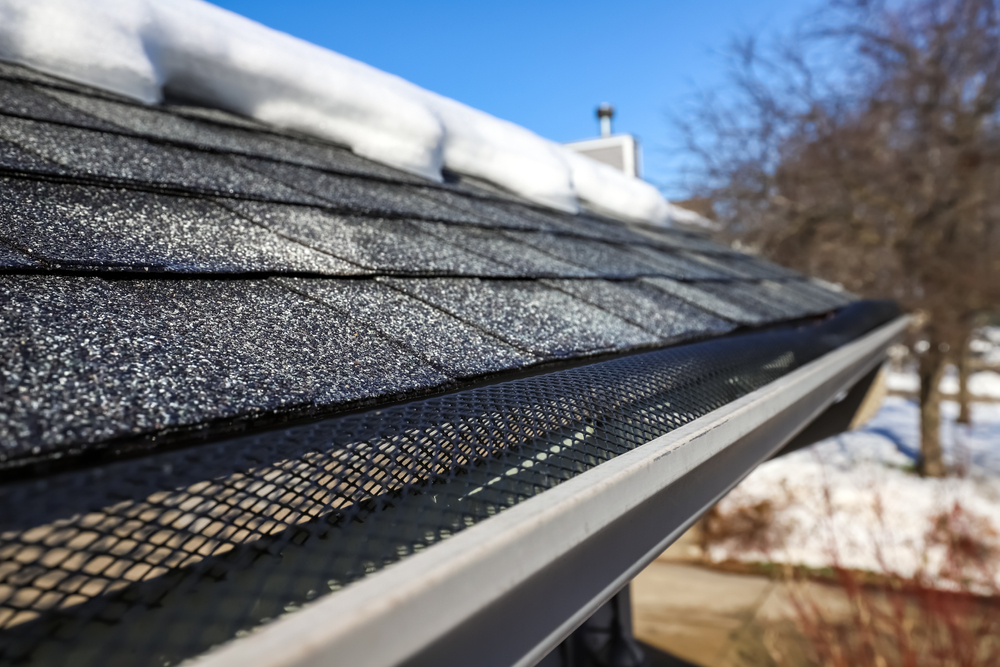
Winter roof damage in Orange County and Los Angeles doesn’t look like the icy disasters seen in snowy states—but moisture-related roof damage still happens here every year. Instead of heavy snow and thick ice, we deal with wind-driven rain, clogged gutters, cold overnight temperatures, and moisture backups that can mimic the effects of ice dams. When water can’t drain properly, it begins to pool at the roof’s edges, seeping beneath shingles and causing leaks, staining, and long-term damage.
Even in mild SoCal winters, your roof needs protection. At One Stop Roofing, we help homeowners prepare for the wet season by strengthening drainage, improving ventilation, and preventing moisture buildup. Here’s how winter weather affects Southern California roofs—and what you can do to avoid costly repairs.
What Are Ice Dams, and Why Do They Still Matter in SoCal?
Traditional ice dams form when snow melts on a warm roof and refreezes at the colder edges. While Orange County and LA don’t get snow, the underlying problem—water backing up under shingles—still occurs here.
In SoCal, our version of “ice-dam damage” comes from:
- Heavy rain hitting cool roof surfaces
- Clogged gutters forcing water to pool at the roof edges
- Overnight temperatures slowing drainage
- Wind pushing rain underneath the shingles
- Moisture collecting in valleys or low-slope areas
The result can be the same: water intrusion, insulation damage, attic moisture, mold growth, and roof leaks.
Common Winter Roofing Issues in Orange County & Los Angeles
Moisture Backups at Roof Edges
When gutters clog or drainage slows, water sits along eaves—where it easily slips beneath shingles.
Wind-Driven Rain During Storms
Our winter storms often come with gusty Santa Ana winds, which push water sideways into flashing, vents, and roof seams.
Clogged or Overflowing Gutters
Debris buildup prevents water from flowing properly, causing the same pooling and backup issues as melting snow.
Condensation in the Attic
Cooler nights + trapped warm indoor air = condensation on attic surfaces. This moisture can drip onto insulation and wood framing.
Signs of Winter Roof Damage in SoCal Homes
Water Stains on Ceilings or Walls
Even minor stains suggest water is entering your roof system.
Musty or Damp Smells in the Attic
Moisture from slow leaks or condensation often leads to early mold growth.
Overflowing Gutters During Rain
If gutters overflow, water is likely backing up under the shingles.
Peeling Exterior Paint Under Eaves
Poor drainage pushes water down the siding, saturating the walls.
How to Prevent Moisture & Roof Damage in SoCal Winters
- Keep Gutters Clean All Season
The #1 defense for SoCal homeowners, clean, clear gutters keep water flowing and prevent pooling. - Improve Attic Ventilation
Balanced airflow reduces condensation and maintains consistent roof temperatures. - Seal Attic Air Leaks
Use sealant or weatherstripping around vents, chimneys, and light fixtures to stop warm indoor air from rising into the attic. - Reinforce Flashing and Roof Edges
These areas are the first to leak during winter storms. Have flashing inspected and resealed as needed. - Clear Roof Valleys and Low-Slope Areas
Debris in these spots traps water, prolonging exposure and increasing the risk of leaks. - Install Ice & Water Shield (Still Useful in SoCal!)
This waterproof membrane—typically used in snowy climates—works exceptionally well during SoCal rainstorms. It protects eaves, valleys, and roof penetrations.
Professional Winter Prep for OC & LA Roofs
Seasonal Roof Inspections
Before winter storms, have a professional check for:
- Lifted shingles or tiles
- Worn underlayment
- Rusted or loose flashing
- Blocked vents
Gutter & Drainage Services
Proper gutter slope and secure attachments help prevent overflow.
Attic Ventilation Upgrades
Ridge vents, soffit vents, or attic fans can help regulate airflow and moisture.
What to Do If You Notice Water Intrusion
- Document Everything
Take photos of leaks, stains, warped materials, or moisture. - Schedule a Roof Inspection Immediately
Moisture spreads quickly—early action prevents significant interior damage. - Contain Indoor Leaks
Use buckets, towels, or plastic sheets while waiting for repairs. - Avoid Climbing on the Roof
Wet SoCal roofs get incredibly slick—let professionals handle it.
Long-Term Benefits of Winter Roof Prep in SoCal
Reduces Risk of Leaks
A roof free of debris and moisture buildup is far less likely to fail.
Extends Roof Lifespan
Keeping water out helps tiles, shingles, and underlayment last years longer.
Improves Energy Efficiency
A dry, well-ventilated attic helps regulate indoor temperatures more effectively.
Protects Home Value
Moisture-free roofing maintains curb appeal, structure, and resale value.
What This Means For You
Even in mild Southern California winters, roofs face real risks—from heavy rain to clogged gutters and moisture buildup. By improving ventilation, keeping drainage clear, and reinforcing vulnerable areas, you can prevent leaks and protect your home from costly winter damage.
At One Stop Roofing, we help Orange County and Los Angeles homeowners prepare their roofs for winter storms and long-term durability. Call (714) 277-4555 or visit our website to schedule your winter roofing inspection today!
Frequently Asked Questions
- Can winter leaks happen even without freezing temperatures?
Absolutely. Heavy rain, clogged gutters, and poor ventilation cause moisture backups similar to ice-dam effects. - How often should I inspect my roof during winter?
Check after major storms or once every few weeks during rainy months. - Should SoCal homeowners install heated cables?
They’re usually unnecessary here—but gutter guards, better ventilation, and waterproof barriers are highly beneficial.

