
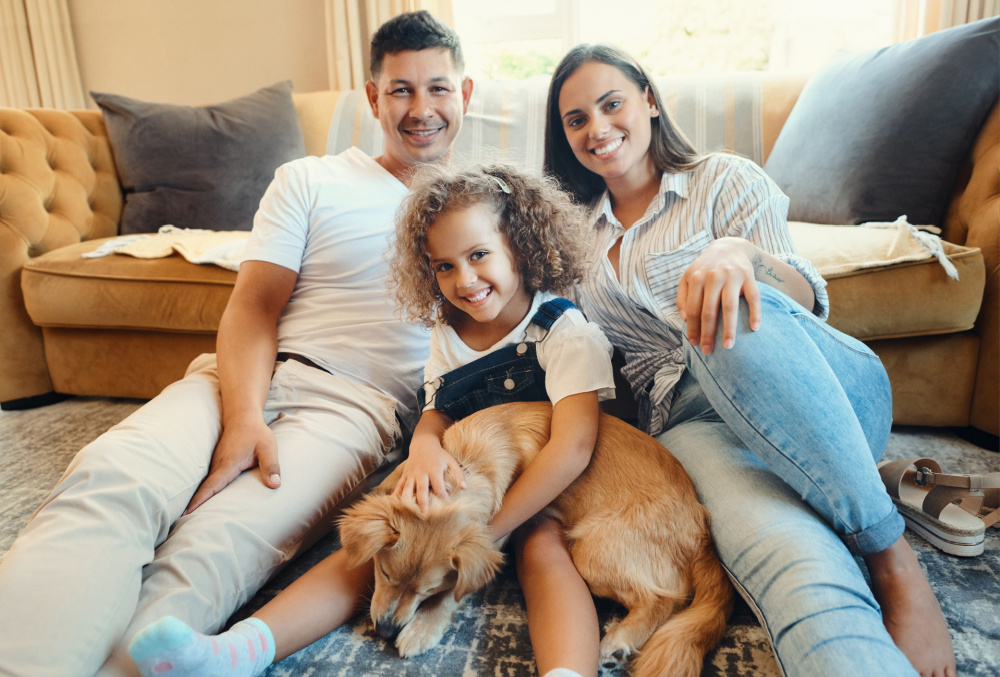
Keeping your home safe is one of the most important responsibilities you have as a homeowner—especially when you share that space with children or pets. Curious little ones and energetic animals explore, climb, chew, open doors, and get into things faster than you can blink. And while that’s part of what makes a home feel lively, it also means extra precautions are needed to prevent accidents and protect everyone under your roof.
At One Stop Roofing, we understand that your home’s safety is about more than just structure—it’s about peace of mind. That’s why we’ve created this comprehensive guide on how to make your living space safer for kids, pets, and the adults who care for them. These essential safety tips cover everything from fall prevention and fire protection to outdoor hazards and home maintenance strategies that keep your loved ones protected year-round.
Why Safety Matters for Homes with Kids and Pets
Children and pets explore differently, but both encounter the same risks.
They don’t recognize danger the way adults do. They tug on cords, climb furniture, chew household items, and push boundaries out of curiosity—not to be reckless. Safety measures aren’t about limiting their freedom; they’re about giving them space to explore without unnecessary risks.
Minor hazards quickly turn into emergencies.
Unsecured cleaning supplies, loose cords, unlocked doors, exposed electrical outlets, small objects, or unstable furniture can lead to accidents within seconds. Taking proactive steps protects your family from common injuries like falls, burns, choking, and poisoning.
A safe home is a calm home.
When safety is built into your environment, you don’t have to constantly worry about what your kids or pets are doing. You can relax knowing your home is structured to support them.
Indoor Safety Tips Every Homeowner Should Know
Secure furniture and heavy items
Children climb. Pets bump into things. Heavy furniture such as bookshelves, dressers, TVs, and cabinets should be anchored to the wall to prevent tipping. Even well-balanced pieces can fall if grabbed or jumped on.
Store hazardous items out of reach
Cleaning supplies, medications, sharp tools, batteries, essential oils, and small magnets should be kept in locked cabinets or high shelves. Many everyday items can be toxic to both kids and animals.
Use outlet covers and cord protectors
Outlet covers prevent curious fingers from exploring electrical sockets. Cord covers reduce the risk of chewing hazards and tripping.
Install safety gates in key locations
Gates are handy near stairs, kitchens, laundry areas, or rooms with potential hazards, such as garages or workshops.
Choose durable, non-slip flooring
Pets running across slick floors can easily slip and get injured. Kids learning to walk also benefit from traction-rich surfaces. If you have smooth flooring, placing area rugs with anti-slip mats can make your home safer.
Kitchen Safety Tips for Kids and Pets
Keep sharp objects and hot surfaces out of reach
Knives, scissors, skewers, and appliance blades should be stored in locked drawers or high cabinets. Stove knobs can be protected with knob covers. Hot handles should be turned inward.
Avoid placing food near the edges of counters
Pets often snag food left at counter height. Kids, meanwhile, may reach for hot dishes without realizing the danger.
Use trash cans with locking lids
Leftovers, bones, sharp can lids, or toxic foods like chocolate or onions can pose serious dangers if pets get into the trash.
Secure household chemicals
Dishwasher pods, degreasers, bleach, and oven cleaners should never be accessible to children or pets. Even “natural” cleaners can be harmful if ingested.
Bathroom Safety Tips for Homes with Children and Animals
Store personal care items securely
Razors, medications, toilet bowl cleaners, vitamins, hair supplies, and skincare products can all be dangerous. Keep them locked away or stored high.
Place non-slip mats in bathtubs and showers
Wet surfaces are slippery for everyone, but especially for kids and pets.
Use toilet locks if you have toddlers or animals who drink from toilets
Locks prevent drowning hazards for kids and ingestion hazards for pets.
Check the water heater temperature
Keeping your water heater at or below 120°F helps prevent scalding accidents.
Living Room and Bedroom Safety Tips
Avoid small decor items that can be swallowed
Candles, marbles, potpourri, tiny figurines, jewelry, and decorative stones can pose choking risks.
Keep cords organized and hidden
Dangling cords—from blinds, lamps, or electronics—can become strangulation hazards or chewing temptations.
Create designated safe zones
Play corners, pet beds, and baby-safe areas help keep dangerous items away from busy hands and noses.
Secure windows and install guards
Screens are not strong enough to prevent falls. Window guards add a layer of safety.
Fire and Carbon Monoxide Safety Tips
Install smoke alarms on every level of your home
Test them monthly and replace batteries once a year.
Install carbon monoxide detectors near bedrooms
This is especially important if your home has gas appliances, fireplaces, or an attached garage.
Keep fire extinguishers accessible
The kitchen, garage, and hallway are ideal locations.
Create and practice a family fire escape plan
Knowing exits and meeting points makes emergencies far less chaotic.
Outdoor Safety Tips for Homes with Kids and Pets
Check your fences and gates regularly
Gaps or loose panels can allow pets to escape and create safety risks for children.
Store tools safely
Lawn equipment, sharp tools, fertilizers, and pesticides should be kept in locked storage areas.
Secure pool areas
If you have a pool, gates should self-latch, and alarms can be added for extra protection.
Remove toxic plants from your yard
Some common landscaping plants can be harmful if touched or eaten by children or animals.
Ensure outdoor surfaces are even
This reduces tripping hazards during playtime.
Seasonal Maintenance That Helps Keep Kids and Pets Safe
Inspect your roof annually
A secure roof prevents leaks and mold—two issues that can affect your family’s health.
Maintain your HVAC system
Clean air helps reduce allergens and keeps the home at a safe temperature.
Monitor gutters and drainage
Pooled water attracts bugs, promotes mold growth, and can become hazardous around play areas.
Check for drafts or openings in the home
Small gaps can serve as entry points for pests or as escape routes for animals.
Final Thoughts On Home Safety
Home should be a place where your kids and pets feel safe, supported, and free to enjoy life. By investing in essential safety measures now, you protect your family from preventable accidents and create an environment where everyone can thrive. Sound safety practices don’t just reduce hazards—they give you confidence and peace of mind every day.
If you’re hoping to make your home safer or need help with roofing inspections, repairs, or upgrades, One Stop Roofing is here to support you.
Call (714) 277-4555 or visit our website to schedule your next home inspection or roofing service.
Frequently Asked Questions
- What’s the most essential safety upgrade for homes with kids or pets?
Securing heavy furniture and storing hazardous items out of reach are among the most effective ways to prevent accidents. - How often should I check my home for potential hazards?
Once every season is ideal, but quick monthly walk-throughs help you catch new risks fast. - Are there special roofing considerations for families with kids or pets?
Yes. Stability, proper ventilation, mold prevention, and leak protection help keep your indoor environment healthier and safer.

