
Your roof is one of the most important investments in your home. It protects everything beneath it—from your family and belongings to the structure itself. Yet despite its importance, many homeowners overlook roof care until a major issue appears. Leaks, missing shingles, water damage, and structural problems often begin as small maintenance issues that could have been prevented with routine attention.
The good news is that extending your roof’s lifespan doesn’t always require major renovations or expensive repairs. In many cases, consistent and simple upkeep can dramatically improve performance and durability over time. Preventive roof maintenance helps protect your home, reduce long-term costs, and maximize the value of your roofing system.
At One Stop Roofing, we believe preventative care is one of the smartest investments homeowners can make. Here’s how simple maintenance can help extend your roof’s lifespan and keep it performing at its best for years to come.
Why Roof Maintenance Matters
Your roof faces constant exposure.
Every day, your roof is exposed to sunlight, wind, rain, debris, temperature changes, and moisture. Over time, even durable materials begin to wear down under these conditions.
Routine roof maintenance helps identify and address minor issues before they become major structural problems.
Small issues become expensive quickly.
A loose shingle or clogged gutter may seem minor at first, but left untreated, these issues can lead to leaks, rot, mold growth, and interior damage.
Preventive maintenance reduces the likelihood of costly emergency repairs.
Maintenance extends material lifespan.
Different roofing materials are designed to last for specific periods, but neglect can significantly shorten their lifespan. Proper care helps materials perform as intended for as long as possible.
Schedule Regular Roof Inspections
Professional inspections catch hidden problems.
Some roofing damage isn’t visible from the ground. Professional inspections help identify weak spots, damaged flashing, moisture intrusion, or early material deterioration before they worsen.
Experts typically recommend scheduling inspections:
- Twice per year
- After major storms
- Before and after rainy seasons
DIY visual checks still help.
Homeowners can also perform basic visual inspections safely from the ground. Watch for:
- Missing shingles or tiles
- Sagging rooflines
- Dark streaks or algae growth
- Debris buildup
Spotting issues early is one of the easiest ways to improve roof maintenance.
Keep Gutters Clean and Functional
Clogged gutters trap water.
Your gutters are designed to move water away from your roof and foundation. When leaves and debris block drainage, water can back up under roofing materials.
This trapped moisture increases the risk of leaks and wood rot.
Regular cleaning prevents long-term damage.
Cleaning gutters several times a year is one of the simplest and most effective forms of roof maintenance.
Pay special attention during:
- Fall leaf buildup
- Windy seasons
- After storms
Check downspouts and drainage flow.
Ensure downspouts direct water away from the house to prevent damage to the foundation and siding.
Remove Debris from the Roof Surface
Leaves and branches hold moisture.
Organic debris traps moisture against roofing materials, creating conditions for mold, algae, and premature deterioration.
Over time, this moisture weakens shingles and underlayment.
Trim nearby trees regularly.
Overhanging branches can scrape roofing materials during windy conditions and drop excessive debris onto the roof.
Keeping trees trimmed back reduces wear and minimizes the risk of falling limbs during storms.
Prevent Moss and Algae Growth
Dark streaks may signal algae.
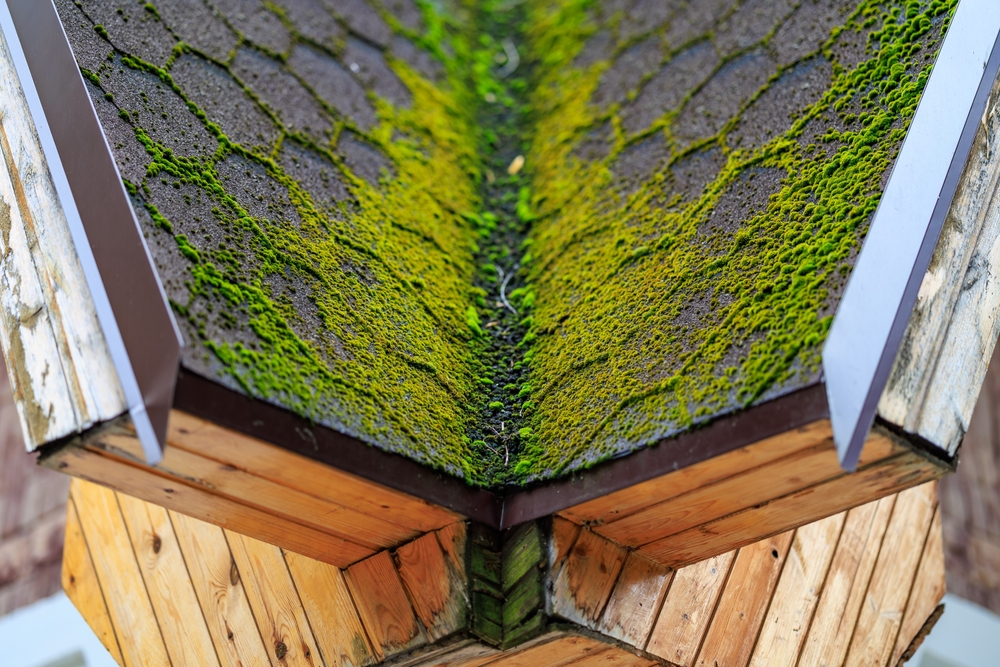
Many homeowners notice dark stains on their roofs over time. These are often caused by algae growth, which thrives in moist conditions.
While algae may initially appear cosmetic, it can eventually impact roofing materials if left untreated.
Moss traps moisture against the roof.
Moss retains water and lifts roofing materials as it grows, increasing the likelihood of leaks.
Professional cleaning is safest.
Harsh pressure washing can damage roofing materials. Professional roof cleaning methods safely remove moss and algae without causing harm.
Maintain Proper Attic Ventilation
Heat buildup damages roofing materials.
Poor attic ventilation traps heat beneath the roof surface, especially during warmer months. Excessive heat accelerates aging and weakens roofing materials over time.
Moisture control matters too.
Ventilation also helps reduce condensation during cooler months. Trapped moisture in the attic can damage insulation and roof decking.
Balanced airflow extends roof lifespan.
A properly ventilated attic helps maintain stable temperatures and reduces stress on the roof structure.
Address Repairs Promptly
Never ignore small leaks.
Even a minor leak can lead to extensive water damage if ignored. Water spreads quickly through insulation, drywall, and framing materials.
Prompt repairs prevent further deterioration.
Replace damaged shingles immediately.
Missing or cracked shingles expose underlying materials to moisture and UV damage.
Quick replacement helps preserve the integrity of the roofing system.
Protect Flashing and Seals
Flashing is a common weak point.
Roof flashing protects vulnerable areas around chimneys, skylights, vents, and valleys.
Over time, flashing can loosen, crack, or corrode.
Inspect seals regularly.
Sealants around penetrations may deteriorate due to UV exposure and weather changes.
Routine roof maintenance should always include checking flashing and seals.
Be Careful with Roof Foot Traffic
Walking on the roof can cause damage.
Improper foot traffic can crack tiles, loosen shingles, or damage protective coatings.
Homeowners should avoid climbing onto the roof unless absolutely necessary.
Use professionals for inspections and repairs.
Roofing professionals understand how to move safely across different roofing materials without causing damage.
Prepare Your Roof for Seasonal Changes
Before rainy seasons
Check gutters, flashing, and drainage systems before periods of heavy rain.
During warmer months
Inspect for heat-related wear, UV damage, or material fading.
After storms
Strong winds and debris can loosen materials or create hidden damage.
Seasonal roof maintenance helps your roof adapt to changing weather conditions throughout the year.
The Importance of Professional Roof Maintenance
Professionals can spot issues homeowners may miss.
Some roofing problems develop beneath the surface and aren’t visible during basic inspections.
Professional maintenance services often include:
- Moisture detection
- Flashing evaluation
- Structural assessment
- Ventilation checks
Preventive care saves money long-term.
Regular maintenance costs far less than emergency repairs or full roof replacement.
Long-Term Benefits of Roof Maintenance
Extended roof lifespan
Consistent roof maintenance helps roofing materials reach or even exceed their expected lifespan.
Improved energy efficiency
A healthy roof and attic system help regulate indoor temperatures more effectively.
Better curb appeal
Clean, well-maintained roofing improves the overall appearance of your home.
Peace of mind
Knowing your roof is in good condition reduces stress during storms and seasonal weather changes.
Final Thoughts
Your roof works hard every day to protect your home, and simple maintenance plays a major role in helping it last as long as possible. From cleaning gutters and trimming trees to scheduling inspections and addressing repairs early, proactive roof maintenance helps prevent damage and reduce long-term costs.
By investing a little time and attention into routine care, homeowners can extend the life of their roofing system and avoid unnecessary repairs.
At One Stop Roofing, we provide professional inspections, maintenance services, and expert roofing solutions designed to keep your roof performing at its best year-round.
Call (714) 277-4555 or visit our website to schedule your roof maintenance service today!
Frequently Asked Questions
- How often should roof maintenance be performed?
Most roofs should be inspected and maintained at least twice a year, and after major storms. - What is the biggest threat to roof lifespan?
Neglected maintenance, trapped moisture, and untreated damage are among the most common causes of premature roof failure. - Can regular maintenance really prevent roof replacement?
Maintenance cannot prevent aging forever, but it can significantly delay the need for replacement and extend the roof’s lifespan.
