
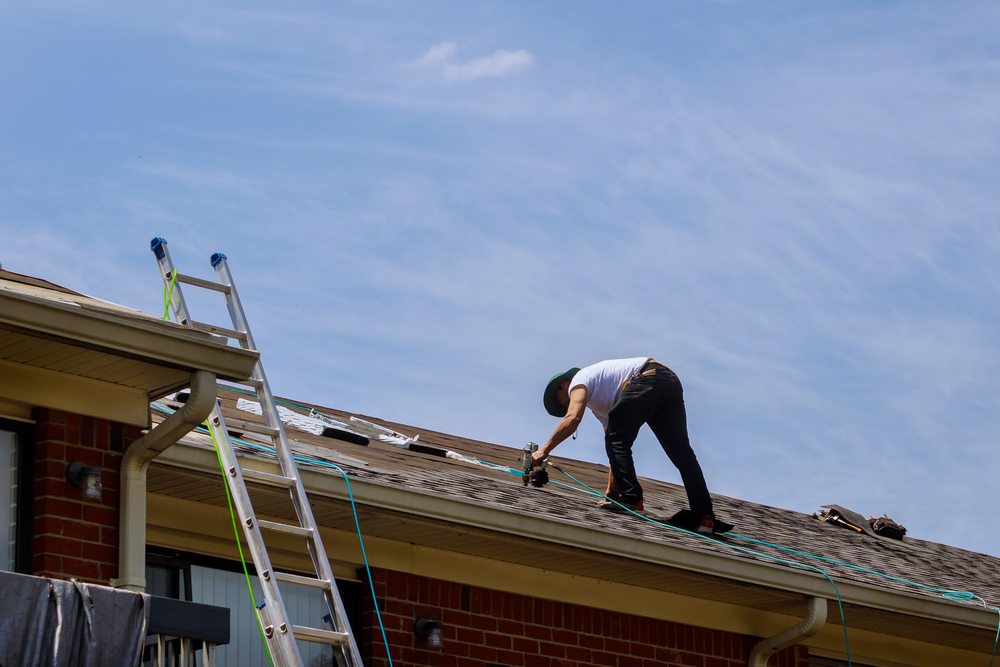
Roof repairs are an important part of protecting your home, but they also come with potential safety risks that homeowners often underestimate. While professional roofing contractors are trained to work safely at heights and handle hazardous materials, homeowners still play an important role in ensuring the project goes smoothly and safely from start to finish.
Whether you’re repairing storm damage, replacing worn shingles, or addressing a leak, understanding proper roofing safety practices helps protect your family, your property, and the workers performing the repairs. Construction zones, falling debris, ladders, tools, and noise can all create temporary hazards if precautions aren’t taken.
At One Stop Roofing, we believe homeowners should feel informed and prepared before any roofing project begins. This guide covers essential roofing safety tips every homeowner should know during a roof repair.
Why Roofing Safety Matters
Roof work involves significant risks.
Roofing consistently ranks among the more dangerous construction trades due to the combination of heights, tools, weather exposure, and physical labor. Even small residential projects require careful planning and safety procedures.
For homeowners, understanding roofing safety helps reduce accidents and ensures the project environment stays controlled and organized.
Protecting people and property
Roof repairs affect more than just the roof itself. Falling debris, misplaced tools, or blocked access points can create hazards for children, pets, visitors, and neighbors.
Taking proactive steps before the repair begins minimizes unnecessary risks.
Choosing a Contractor That Prioritizes Roofing Safety
Verify licensing and insurance.
A professional roofing contractor should carry proper licensing, liability insurance, and workers’ compensation coverage.
Insurance is especially important because it protects homeowners from liability in the event of an accident during repairs.
Ask about safety procedures.
Reputable contractors follow strict roofing safety protocols, including:
- Fall protection systems
- Ladder stabilization
- Debris containment
- Equipment inspections
- Worker safety training
Homeowners should feel comfortable asking contractors how they maintain safety during projects.
Look for organized job sites.
Professional roofing companies maintain clean, organized work areas. This reflects attention to detail and reduces the likelihood of accidents.
Preparing Your Home Before Roof Repairs Begin
Move vehicles away from the driveway.
Roof repairs often involve falling debris, nails, and material removal. Parking vehicles away from the work area prevents accidental damage.
Protect outdoor furniture and landscaping.
Patio furniture, potted plants, and decorative items should be moved away from the home before work begins.
Even careful roofing crews may accidentally drop debris during repairs.
Inform neighbors about the project.
Roof repairs can be noisy and may temporarily affect nearby properties. Giving neighbors advance notice helps avoid surprises and encourages awareness around the work zone.
Roofing Safety Around Children and Pets
Keep children away from the work zone.
Curious children may try to approach ladders, tools, or roofing materials. Establish clear boundaries and explain that the area is off-limits during repairs.
Secure pets indoors or away from the property.
Roofing noise, unfamiliar workers, and falling debris can stress pets or cause them to run unexpectedly.
Keeping animals indoors or elsewhere during major repairs is often the safest option.
Watch for loose nails and debris afterward.
Even with cleanup procedures, small debris may remain temporarily around the property. Carefully inspect outdoor areas before allowing kids or pets outside again.
Ladder and Access Safety
Avoid climbing onto the roof yourself.
Homeowners should never attempt to inspect active roof repairs up close unless specifically invited and guided by professionals.
Walking on roofing materials without proper training can be dangerous and may damage the roof.
Keep pathways clear.
Roofing crews need safe access to ladders and equipment. Avoid leaving bicycles, toys, hoses, or outdoor clutter near work zones.
Understand the importance of ladder stabilization.
Professional roofers secure ladders carefully to prevent shifting or collapse. Never move or adjust contractor equipment yourself.
Protecting the Interior of Your Home
Expect vibrations during repairs.
Hammering and movement on the roof can create vibrations inside the house. Fragile wall décor, ceiling fixtures, or shelves should be secured before work begins.
Cover attic belongings if needed.
During extensive repairs or replacements, small amounts of dust or debris may enter attic spaces.
Protect stored items with sheets or plastic coverings if necessary.
Monitor ceilings for temporary dust or movement.
Minor dust displacement is normal during roofing work, especially in older homes.
Weather Awareness During Roof Repairs
Weather impacts roofing safety significantly.
Wind, rain, and extreme heat all affect roofing conditions. Wet surfaces become slippery, while excessive heat increases the risk of fatigue and dehydration.
Professional contractors monitor the weather closely and may pause work if conditions become unsafe.
Avoid pressuring contractors to rush.
Homeowners sometimes worry about timelines, but rushing roofing work increases safety risks and may compromise the quality of the installation.
Allow crews to work at a safe, professional pace.
Debris and Cleanup Safety
Roof repairs create sharp debris.
Old shingles, nails, flashing, and wood fragments can accumulate around the property during repairs.
Professional contractors often use tarps and magnetic tools to efficiently collect nails and debris.
Inspect the yard after project completion.
Walk around the property carefully once the project is complete to ensure the cleanup was thorough.
Check:
- Grass and landscaping
- Driveways and sidewalks
- Gutters and downspouts
- Patio areas
Fire and Electrical Safety Considerations
Be aware of nearby power lines.
Roof work near electrical lines requires extra caution. Professional crews should identify and avoid electrical hazards before beginning repairs.
Hot tools and equipment require care.
Some roofing repairs involve heat-producing equipment or electrical tools. Proper handling and supervision reduce fire risks.
Communication Improves Roofing Safety
Stay informed throughout the project.
Clear communication between homeowners and contractors helps prevent misunderstandings and unsafe situations.
Ask questions about:
- Work schedules
- Restricted areas
- Cleanup expectations
- Safety precautions
Know who to contact if concerns arise.
Professional companies should provide a project manager or main point of contact during repairs.
Signs of a Professional, Safety-Conscious Roofing Crew
Workers use safety harnesses and equipment.
Visible safety gear demonstrates professionalism and commitment to roofing safety.
Materials are secured properly.
Roofing materials should not be left loose or unstable around the property.
The worksite remains organized.
Clean work areas reduce hazards and show respect for the homeowner’s property.
Long-Term Benefits of Roofing Safety Practices
Prevents accidents and injuries
Following proper roofing safety procedures protects homeowners, workers, and visitors alike.
Protects the quality of the repair
Safe, careful work practices often lead to higher-quality installation and longer-lasting repairs.
Reduces stress during the project
Knowing the project is being handled professionally gives homeowners peace of mind throughout the repair process.
Final Thoughts
Roof repairs are an important investment in your home’s safety and longevity, but they should always be approached with proper caution and preparation. By understanding roofing safety practices, homeowners can help create a safer environment for everyone involved while ensuring the project runs smoothly.
From protecting children and pets to choosing a contractor that prioritizes safety, every precaution matters.
At One Stop Roofing, we are committed to maintaining the highest roofing safety standards on every project we complete.
Call (714) 277-4555 or visit our website to schedule your roofing consultation today!
Frequently Asked Questions
- Should homeowners stay home during roof repairs?
It depends on the scope of the project. Many homeowners stay home safely during repairs, but families with pets or small children may prefer to leave temporarily during noisier phases. - How do roofing companies prevent nails from being left behind?
Professional crews typically use tarps and magnetic sweepers to collect nails and debris during cleanup. - Is it safe to walk on my roof after repairs are complete?
Homeowners should still avoid walking on the roof unless necessary. Improper foot traffic can damage materials or create safety risks.
