
Your roof works hard every single day—shielding your home from sun, rain, wind, and debris. Yet, it’s one of the most overlooked parts of a home when it comes to regular upkeep. Many homeowners don’t think about their roof until there’s a leak or visible damage, but by then, repairs can be costly and extensive.
A proactive approach to roof maintenance can extend your roof’s lifespan, improve energy efficiency, and prevent unexpected expenses. With consistent care and attention, your roof can remain strong, functional, and visually appealing for decades.
At One Stop Roofing, we believe that informed homeowners make better decisions. This guide covers everything you need to know about roof maintenance, from routine inspections to seasonal care and long-term protection strategies.
Why Roof Maintenance Is Essential
Protects your home from damage
Your roof is your home’s first line of defense against the elements. Without proper roof maintenance, small issues like cracked shingles or clogged gutters can quickly escalate into major problems like leaks or structural damage.
Routine care ensures that your roof continues to perform as intended.
Extends the lifespan of your roof
Replacing a roof is a significant investment. Regular roof maintenance helps maximize that investment by prolonging the life of your roofing materials.
Minor repairs and preventative measures can add years to your roof’s lifespan.
Improves energy efficiency
A well-maintained roof helps regulate indoor temperatures. Damaged or poorly ventilated roofs can cause heat buildup or energy loss, leading to higher utility bills.
How Often Should You Perform Roof Maintenance?
Twice a year is ideal
Most experts recommend performing roof maintenance at least twice a year—typically in the spring and fall.
These inspections help identify damage caused by seasonal weather changes.
After major weather events
Strong winds, heavy rain, or storms can cause immediate damage. It’s important to check your roof after significant weather events to catch issues early.
What to Look for During a Roof Inspection
Check for missing or damaged materials.
Look for cracked, curled, or missing shingles. These can expose your roof to moisture and lead to leaks.
Inspect flashing and seals.
Flashing around chimneys, vents, and skylights prevents water from entering vulnerable areas. Damaged flashing is a common source of leaks.
Look for sagging or uneven areas.
A sagging roofline may indicate structural issues that require immediate attention.
Check for debris buildup.
Leaves, branches, and dirt can accumulate on your roof and trap moisture.
The Importance of Gutter Maintenance
Clogged gutters cause water damage.
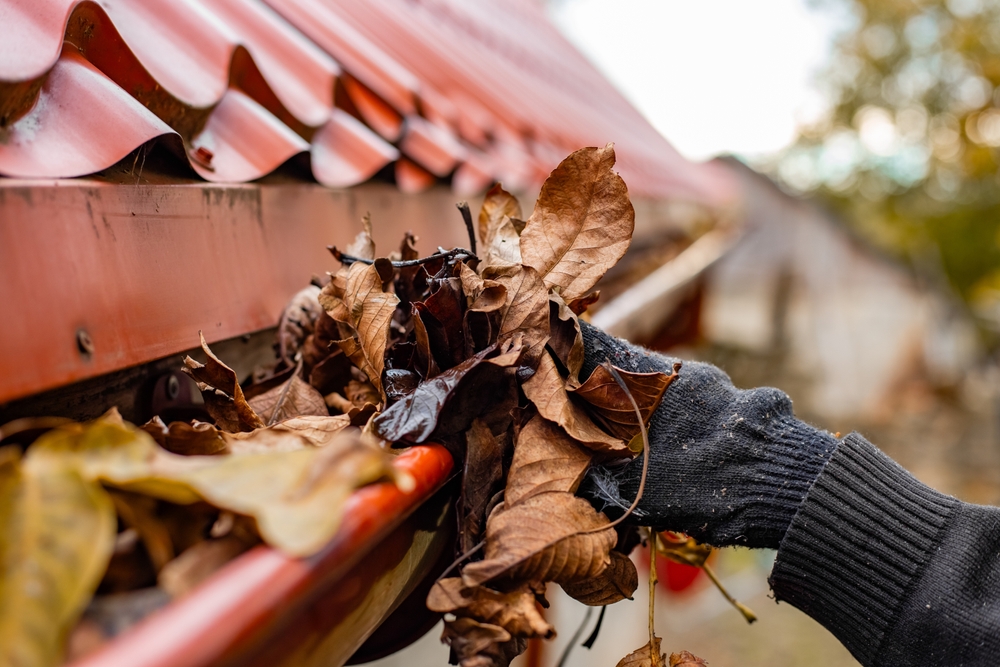
Gutters play a crucial role in directing water away from your home. When they become clogged, water can back up onto the roof and seep under roofing materials.
Regular cleaning prevents issues.
Cleaning your gutters regularly is a simple but essential part of roof maintenance.
Check for proper drainage.
Ensure that downspouts direct water away from your foundation to prevent additional damage.
Roof Cleaning and Debris Removal
Remove leaves and branches regularly.
Debris can trap moisture, leading to mold growth or material deterioration.
Prevent algae and moss growth.
Algae may cause dark streaks on your roof. Moss can also grow in damp areas and damage roofing materials.
Professional cleaning can safely remove these issues without harming the roof.
Ventilation and Insulation
Proper airflow protects your roof.
Good ventilation prevents heat and moisture buildup in your attic. Without it, your roof may age prematurely.
Balanced insulation matters.
Insulation helps maintain consistent temperatures, reducing stress on roofing materials.
Common Roof Maintenance Mistakes to Avoid
Ignoring small problems
Minor issues can quickly turn into major repairs if left unaddressed.
Using improper cleaning methods
Pressure washing or harsh chemicals can damage roofing materials.
Skipping professional inspections
While DIY checks are helpful, professional inspections provide a more thorough evaluation.
Seasonal Roof Maintenance Tips
Spring maintenance
After winter, check for damage caused by rain or debris. Clean gutters and inspect for leaks.
Summer maintenance
High temperatures can cause materials to expand. Check for signs of wear and ensure proper ventilation.
Fall maintenance
Remove fallen leaves and prepare your roof for cooler weather.
Winter maintenance
Even in mild climates, monitor for water buildup and ensure drainage systems are functioning properly.
When to Call a Professional
Visible damage or leaks
If you notice water stains, missing shingles, or structural issues, contact a professional immediately.
Annual inspections
Scheduling a professional inspection once a year ensures your roof remains in top condition.
Complex repairs
Some repairs require specialized tools and expertise. Hiring a professional ensures the job is done safely and correctly.
Long-Term Benefits of Roof Maintenance
Cost savings
Preventive maintenance reduces the need for expensive repairs or premature replacement.
Improved curb appeal
A clean, well-maintained roof enhances your home’s appearance.
Peace of mind
Knowing your roof is in good condition allows you to focus on other aspects of homeownership.
What This Means For You
Roof maintenance is one of the most valuable investments you can make as a homeowner. By staying proactive and addressing issues early, you can extend the life of your roof, improve your home’s efficiency, and avoid costly repairs.
At One Stop Roofing, we provide expert inspections, maintenance services, and repairs to keep your roof performing at its best year-round.
Call (714) 277-4555 or visit our website to schedule your roof maintenance service today!
Frequently Asked Questions
- How often should roof maintenance be performed?
At least twice a year, along with inspections after major weather events. - Can I perform roof maintenance myself?
Homeowners can do basic inspections and cleaning, but professional inspections are recommended for thorough evaluations. - What is the most important part of roof maintenance?
Regular inspections and prompt repairs are key to preventing larger issues.
