
In recent years, California has become a focal point for the very real effects of climate change. Rising temperatures, shifting weather patterns, prolonged droughts, and increasingly intense wildfires are transforming how homeowners think about their roofs. At One Stop Roofing, we’ve seen firsthand how these environmental changes are accelerating wear and tear, pushing traditional materials to their limits, and increasing demand for resilient, sustainable roofing solutions.
Why Roofing Is Especially Vulnerable to Climate Change
Constant Exposure to the Elements
Unlike siding, landscaping, or windows, your roof endures direct, constant exposure to the sun, rain, wind, and debris. It’s the first line of defense against a changing climate and the most vulnerable.
Accelerated Aging of Materials
Materials that once lasted decades are now wearing out faster due to intensified environmental stressors. Shingles may crack under prolonged UV exposure, underlayment may break down quicker, and sealants may lose flexibility due to dramatic temperature swings.
Heatwaves and Prolonged Sun Exposure
UV Damage to Shingles
California’s extended summers and record-breaking heat waves can cause shingles to blister, warp, or crack. UV radiation degrades asphalt and wood-based materials, significantly shortening their lifespan.
Higher Indoor Temperatures
Traditional roofs often absorb and trap heat, leading to rising indoor temperatures. Excessive heat makes your HVAC system work harder, increasing energy bills and straining your home’s cooling infrastructure.
Cool Roof Solutions
To combat this, many homeowners are switching to cool roofs—light-colored or reflective roofing systems designed to reflect more sunlight and absorb less heat. These systems help lower rooftop temperatures by up to 50°F and significantly reduce cooling costs.
Increased Risk of Wildfires
Ember Vulnerability
With wildfire season growing longer and more intense, roofs are increasingly at risk of ignition from windblown embers. Wood shake roofs and poorly maintained roofing systems become potential fuel sources during a blaze.
Shift Toward Fire-Resistant Materials
To meet modern safety standards, many cities require Class A fire-rated roofing materials in wildfire-prone zones. These include:
- Metal roofing
- Clay or concrete tile
- Fiberglass-based asphalt shingles
Insurance Implications
Homes with non-compliant or outdated roofs may face higher premiums or be denied coverage altogether. Upgrading to fire-resistant roofing enhances safety and can lead to insurance savings.
Heavier Rainfall and Storm Frequency
Increased Flash Flooding
Though California is known for droughts, climate change brings heavier, more concentrated rainstorms. These intense events can overwhelm roofing drainage systems, especially if gutters are clogged or roof slopes are poorly designed.
Waterproofing and Underlayment Upgrades
To combat water intrusion, modern roofing projects increasingly include:
- Synthetic or rubberized underlayment for better water resistance
- Sealed flashing and leak barriers
- Upgraded gutter systems and drainage planning
Flat and Low-Slope Roof Vulnerabilities
Homes with flat or low-slope roofs are especially at risk of pooling water. To prevent this, property owners are now installing improved membranes, backup drainage, and slope-enhancing designs.
Stronger Winds and More Frequent Wind Events
High Wind Damage
Climate change is contributing to more powerful wind events, including gusty storms and even tornadoes, in areas that have not experienced them before. Traditional shingles may be blown away, leaving the decking exposed.
Storm-Resilient Roofing Systems
Modern roofing must now meet higher wind uplift resistance standards. Many homeowners are upgrading to:
- Interlocking shingle systems
- Hurricane clips and reinforced fasteners
- Metal roofing with hidden fastening systems
Drought and Dry Conditions
Increased Risk of Cracking and Shrinkage
Dry air and extreme sun exposure can cause wood-based materials to shrink, crack, or curl. This affects:
- Fascia and soffit boards
- Wood shake shingles
- Roof trusses and framing
Synthetic and Composite Alternatives
Many homeowners are moving away from wood products and adopting materials like:
- Recycled rubber shingles
- Composite tiles
- High-density polymer roofing
These not only resist cracking but are also eco-friendly and long-lasting.
Sustainability and Eco-Conscious Roofing Trends
Growing Demand for Green Materials
Californians are becoming more conscious of how their home choices impact the environment. As a result, roofing manufacturers are producing:
- Recycled-content shingles
- Solar-reflective coatings
- Biodegradable or recyclable membranes
Cool Roof Mandates and Energy Codes
California cities now require cool roofs for new construction or major re-roofing projects. These mandates help reduce urban heat island effects and lower energy demand.
Solar Roofing in the Era of Climate Change
Solar as a Dual-Purpose Investment
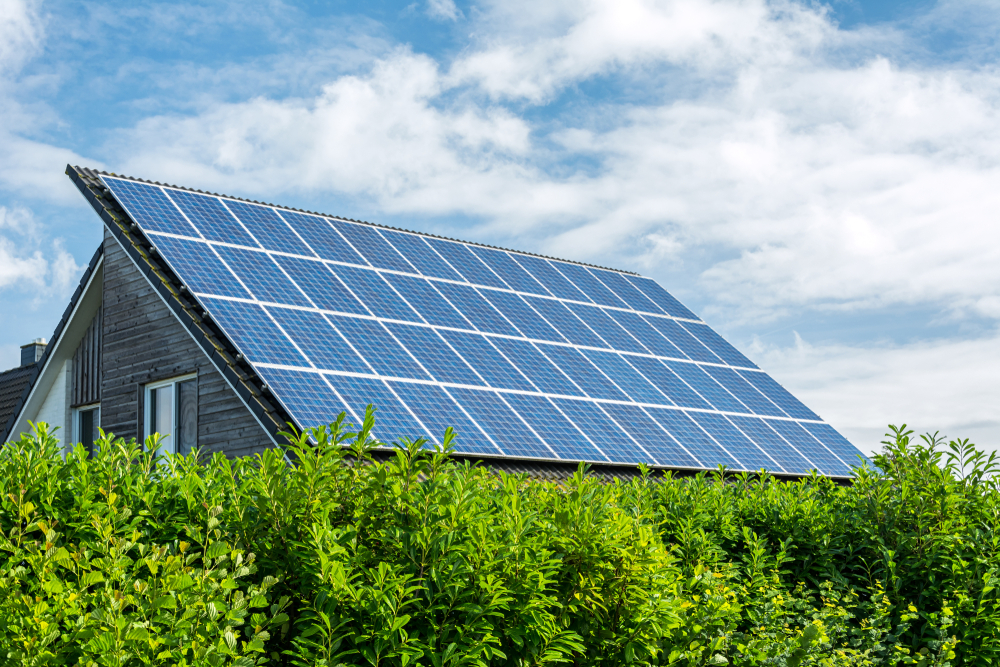
Installing solar roof panels helps offset rising energy bills and contributes to a cleaner grid. California’s push toward renewable energy makes solar a wise investment for homeowners.
Integrated Solar Roofs
For homeowners replacing a roof due to climate-related damage, integrated systems like solar shingles or Tesla’s Solar Roof offer a streamlined aesthetic and improved performance.
Roof Maintenance Becomes More Critical Than Ever
More Frequent Inspections
Due to rapid weather shifts, it’s recommended to inspect your roof:
- Annually (at minimum)
- After each major weather event
- After extreme heatwaves or heavy rains
Proactive Repairs Save Money
Catching minor issues early—like lifted shingles, deteriorating flashing, or cracked seals—can prevent significant damage from worsening due to weather conditions.
Regional Impacts Across California
Southern California
- More UV and heat damage
- Wildfire risk is high
- Solar and cool roof adoption is growing fast
Central California
- Combination of drought and heavy rains
- Agriculture-driven humidity affects ventilation needs
- Fire safety codes are becoming stricter
Northern California
- Heavier rain and storm frequency
- More trees = increased debris on roofs
- High demand for fire-resistant roofing in mountain and foothill zones
Planning for the Future
Choosing the Right Contractor
Look for roofers who specialize in climate-resilient systems and are familiar with California’s evolving building codes.
Budgeting for Upgrades
If your roof is older than 15 years, start planning for replacement or reinforcement now. New materials and better designs are an investment in long-term protection.
Staying Informed
Keep up with city ordinances, insurance policies, and new roofing innovations. At One Stop Roofing, we help our clients stay ahead of the curve with proactive inspections and custom upgrade plans.
Call (714) 277-4555 or visit our website to schedule your climate-resilient roof inspection today!
Frequently Asked Questions (FAQs)
- How does climate change affect the lifespan of my roof?
Increased UV exposure, wind damage, and extreme weather can all accelerate material breakdown, shortening your roof’s effective lifespan. - What roofing material is best for climate resilience?
Metal, clay tile, and synthetic composites are highly resilient. Look for materials with Class A fire ratings and high wind resistance. - Should I wait for damage before upgrading my roof?
No—being proactive can prevent costly repairs. A climate-resilient roof installed early saves money and better protects your home.
